
Shape Your Career with SSCAN MBA in Food Technology and Enterprise Management
20th Aug 2026 | 6 min
Content
Key Takeaways
• SSCANS offers an MBA in Food Technology and Food Enterprise Management.
• The programme combines food science, processing, safety, nutrition, entrepreneurship, and business management.
• Eligible candidates need at least 50% in graduation or 45% for SC/ST candidates.
• Admission requires SNAP 2026, followed by SSCANS' programme-specific selection process.
• SNAP 2026 registration and payment close on 25th November 2026.
What Is the SSCANS MBA in Food Technology and Food Enterprise Management?
The MBA in Food Technology and Food Enterprise Management at the Symbiosis School of Culinary Arts and Nutritional Sciences (SSCANS) is a specialised MBA that combines food science with business management.
This programme is designed for candidates who aspire to contribute to the future of the food industry. It offers a combination of technical knowledge, practical learning, and managerial skills.
The programme covers food processing, food technology, nutrition, culinary arts, food safety, supply chain management, consumer insights, and entrepreneurship. It prepares graduates to support innovation and growth across food enterprises.
Choose the right SSCANS MBA programme before applying.
Review eligibility, curriculum, intake, and facilities on the SSCANS MBA programme page .
What Is the Scope of the SSCANS MBA Specialisation?
The SSCANS MBA prepares students for management and technical roles across different segments of the food industry, including:
• Fast-moving consumer goods (FMCG)
• Hotels, restaurants, and catering businesses (HORECA)
• Food-processing companies
• Quality-control institutions
• Research and development laboratories
• Food safety and regulatory organisations
• Packaging and supply chain businesses
• Food entrepreneurship and start-ups
Each of these industries has specialised functional areas. After completing an MBA in food business, graduates can pursue roles based on their technical background, management skills, and career interests.
For example, growing consumer interest in healthier, functional, plant-based, and clean-label products is creating opportunities in product development, nutrition, quality assurance, marketing, packaging, and sustainable food production.
Why Choose SSCANS for Food Enterprise Management?
SSCANS offers the specialised MBA in Food Technology and Food Enterprise Management under Symbiosis International (Deemed University).
The programme brings together food technology, processing, nutrition, culinary knowledge, business strategy, and entrepreneurship. Students are exposed to classroom learning, laboratory work, industry visits, projects, expert sessions, and internships.
This integrated approach can help students understand both the technical and commercial sides of food enterprises.
What Subjects Does the SSCANS MBA Cover?
The curriculum combines specialised food-industry subjects with core MBA subjects.
Food Technology and Culinary Subjects
• Food Science and Quality
• Principles of Cooking Techniques
• Sensory Food Science
• Food Product Development and Consumer Studies
• Food and Beverage Processing Management
• Indigenous Regional Indian Cooking and Traditional Preservation Techniques
• Food Preservation Sciences
• Food Fermentation Science
• Food Safety and Quality Management
• Service Operations Management
• Food Laws and Legal Metrology
• Science of Developing New Recipes
• Nutraceuticals and Functional Foods
• Food Packaging Options and Operations
• Entrepreneurship Development in Food Processing
Core Business and Management Subjects
• Accounting
• Digital Marketing
• Business Analytics
• Strategic Management
• Human Resource Management
• Intellectual Property Rights
• Organisational Behaviour
• Supply Chain and Logistics
• Consumer Analysis and Market Insights
• Strategic Marketing and Business Growth
The current programme also highlights digital transformation in food systems, including the application of artificial intelligence, the Internet of Things, and data analytics. Review the current SSCANS programme details.
What Faculty Experience Does SSCANS Offer?
SSCANS students learn from experienced academicians and food-industry professionals.
Faculty members bring expertise from areas such as food technology, culinary arts, nutrition, food safety, quality management, marketing, operations, and entrepreneurship. Industry sessions, workshops, field visits, and collaborative projects further supplement classroom teaching.
What Are the Fees, Intake, and Facilities at SSCANS?
The current intake for the MBA in Food Technology and Food Enterprise Management is 40 students per batch, according to the official SSCANS programme page.
The institute highlights facilities such as:
• Food Quality Control Laboratory
• Food Business Incubation Centre
• Culinary Innovation Centre
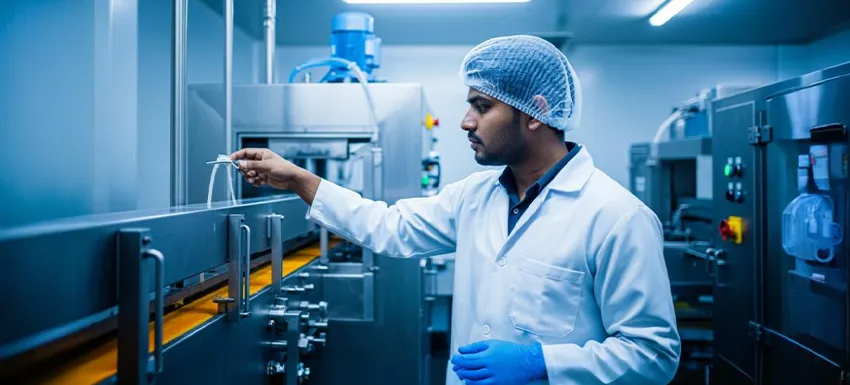
• Practical food-processing and culinary laboratories
• Classrooms and learning-resource facilities
The SNAP 2026 application fee is INR 2,550 per test, while the programme registration fee is INR 1,000 for each programme selected. Government taxes are additional where applicable. Both fees are non-refundable and non-transferable.
Tuition, hostel, and other institutional fees may be revised. Candidates should check the SSCANS MBA information page before applying.
How Does SSCANS Provide Industry Exposure?
SSCANS provides industry exposure through laboratory training, food-industry visits, workshops, expert sessions, live projects, and internships.
The current programme structure includes a three-month onsite industrial internship. These practical components help students understand food-processing operations, safety standards, consumer behaviour, supply chains, product development, and business decision-making.
SSCANS also provides placement support to connect eligible students with prospective employers. Placement outcomes depend on factors such as academic performance, attendance, skills, industry requirements, and performance during the recruitment process.
What Are the Career Opportunities After the SSCANS MBA?
Graduates can explore technical, managerial, research, regulatory, and entrepreneurial roles across food-processing, FMCG, HORECA, nutrition, packaging, and allied industries.
Potential career roles include:
• Food Technologist
• Food Scientist
• Quality Assurance Manager
• Food Safety Officer
• Sales and Marketing Manager
• Business Development Manager
• Supply Chain Manager
• FMCG Brand Specialist
• Regulatory Affairs Officer
• Product or Process Development Scientist
• Nutritional Therapist
• Technical Brewer
• Research Scientist
• Food Entrepreneur
Career options depend on the candidate's graduation discipline, experience, specialisation, skills, and the requirements of individual employers.
Who Is Eligible for the SSCANS MBA?
Candidates must hold a bachelor's degree from a recognised university or Institution of National Importance in a relevant discipline.
Eligible disciplines include:
• Food Technology
• Hotel Management
• Home Science
• Food Science and Quality Control
• Culinary Arts
• Food Ecology or Sustainability
• Packaging Technology
• Nutrition
• Microbiology
• Agriculture
• Biotechnology
• Food Engineering
• Other relevant disciplines accepted by the institute
Candidates must have at least 50% marks or an equivalent grade in graduation. Scheduled Caste and Scheduled Tribe candidates must have at least 45% marks or an equivalent grade.
Candidates should verify their eligibility before paying the non-refundable application fees through the SNAP programme eligibility page.
How Does SNAP 2026 Lead to SSCANS Admission?
SNAP 2026 is mandatory for admission to the SSCANS MBA in Food Technology and Food Enterprise Management for the 2027-28 academic year.
The SNAP 2026 test for MBA programmes assesses:
• General English
• Analytical and Logical Reasoning
• Quantitative Ability, Data Interpretation, and Data Sufficiency
• Ethics, Morality, and Values
The computer-based test lasts 60 minutes. Candidates may appear for up to three SNAP tests. When a candidate takes more than one test, the higher score is considered for the final percentile calculation, without normalisation.
Candidates must complete both parts of the application:
1. Register and pay for SNAP 2026.
2. Select the SSCANS MBA and pay the separate programme registration fee.
Paying only the SNAP test fee does not make a candidate eligible for SSCANS shortlisting. Shortlisted candidates must participate in the programme-specific Group Exercise and Personal Interaction process.
What Are the Important SNAP 2026 Dates?
What Are the Important SNAP 2026 Dates?
| Admission activity | Official date |
|---|---|
| SNAP 2026 registration and payment close | 25th November 2026 |
| SNAP Test 1 admit card | 7th December 2026 |
| SNAP Test 2 admit card | 11th December 2026 |
| SNAP Test 3 admit card | 18th December 2026 |
| SNAP Test 1 | 13th December 2026 |
| SNAP Test 2 | 19th December 2026 |
| SNAP Test 3 | 26th December 2026 |
| SNAP 2026 result | 12th January 2027 |
Test timings will be mentioned on the respective admit cards. SIU may revise the schedule or test structure if unavoidable circumstances arise.
Complete both SNAP application steps before the deadline.
Check dates, fees, and programme registration on the official SNAP application website .
Why Choose Symbiosis International (Deemed University)?
Prof. Dr. S. B. Mujumdar founded Symbiosis in 1971 on the principle of Vasudhaiva Kutumbakam, meaning 'The world is one family.'
Its current recognitions include:
• Category-I status awarded by the University Grants Commission
• 'A++' accreditation from NAAC
• 24th position in the University category under NIRF 2025
• 655th globally in the QS World University Rankings 2027
• 19th among Indian institutions in the QS World University Rankings 2027
• 4th among private universities in India in the QS World University Rankings 2027
• 1st among private universities in India for Employer Reputation in the QS World University Rankings 2027
These rankings and recognitions are reported on the official SIU accreditation and recognition page.
Is the SSCANS MBA Right for You?
The SSCANS MBA may suit candidates who want to combine their background in food, nutrition, agriculture, hospitality, biotechnology, packaging, or related disciplines with management and entrepreneurship.
Its combination of technical learning, laboratory training, industry exposure, and business education can prepare eligible students for varied roles across the evolving food sector.
Plan your food-industry career with the right programme.
Explore roles, outcomes, and admission details on the official SSCANS programme page .
Frequently Asked Questions
The MBA in Food Technology and Food Enterprise Management is offered by SSCANS Pune.
Candidates need a bachelor’s degree in a relevant discipline with at least 50% marks, or 45% for SC/ST candidates.
Yes. Candidates must take SNAP 2026 and separately register for the SSCANS MBA programme to be considered for admission.
A candidate can take SNAP 2026 up to three times. If multiple tests are attempted, the highest score is considered for percentile calculation.
Graduates can explore roles in food technology, quality assurance, product development, food safety, FMCG, supply chain, marketing, regulatory affairs, and entrepreneurship.